Members
Our group comprises academic, thinktank and civil society members who are either active researchers and/or experts on different dimensions of financialisation and blended finance initiatives and instruments.
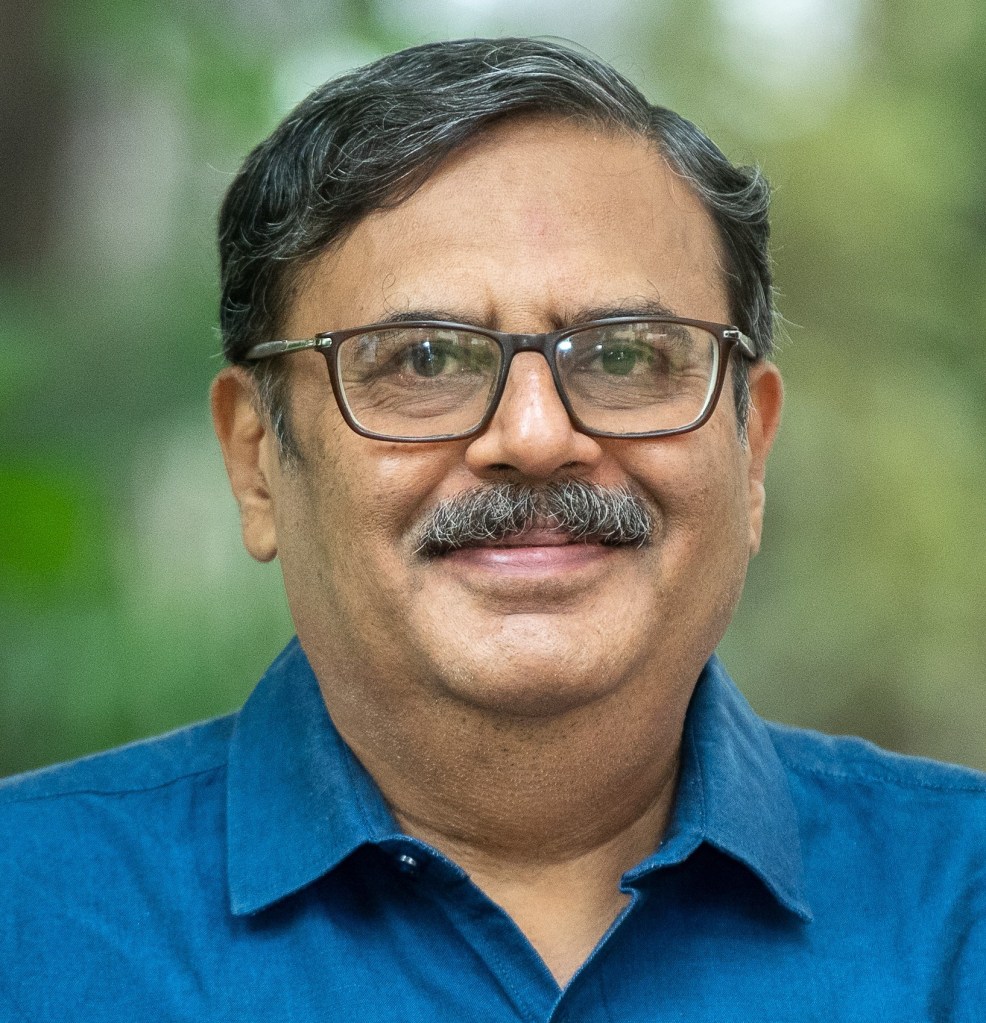
Abhay Shukla is a public health physician based in India, working on public and community health issues since last 35 years. He is Senior consultant with SATHI Pune (Support for Advocacy and Training to Health Initiatives), and is a national co-convener of People’s Health Movement – India. He has co-edited / authored the books ‘Review of Health care in India’, ‘Health system in India – crisis and alternatives’ as well as ‘Dissenting Diagnosis’, exposing malpractices in the private medical sector in India.
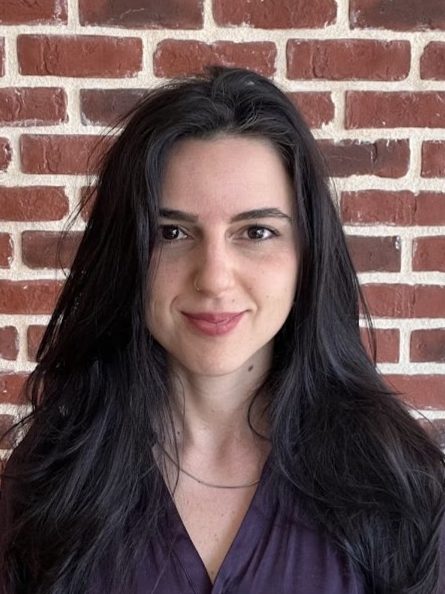
Ana Carolina is an Associate Professor of Economics at the University of Rennes 2. Her research examines how the expansion of global finance reshapes public health systems and policies, drawing on cases from the Global North and South. She is the author of Public Health Systems in the Age of Financialization: Lessons from the Center and the Periphery (2023).
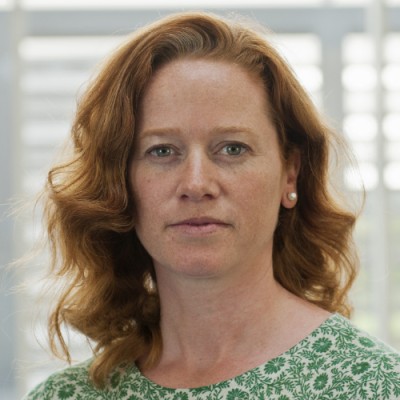
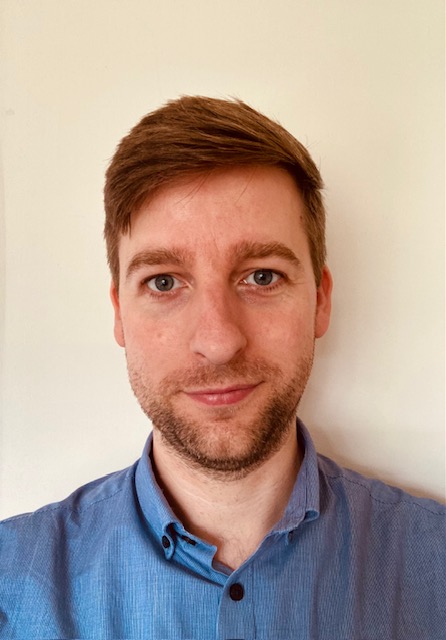
Ben is Senior Lecturer in the University of Glasgow’s School of Social & Political Sciences, where he works on the political economy of global health and development. He is also Associate Lead on the Univeristy’s Glasgow Changing Futures initiative. Ben authored Investor States: Global Health at the End of Aid (2023) and current research includes work on the expansion of a globalised commercial healthcare economy and the growing influence of the private finance in health and development.
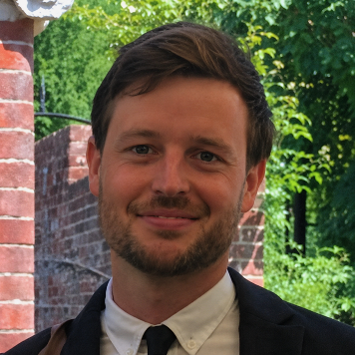
Ben is a post-doctoral research fellow at the Deakin Centre for Global Preventive Health and Nutrition, Institute for Health Transformation, Deakin University, Australia. He is a public health researcher whose work focuses on the commercial and economic determinants of health inequities, particularly with respect to food and financial systems. Ben is co-lead of the ‘Investing for Health’ stream within The Evidence Exchange, Deakin University and VicHealth’s Research Translation Centre on the Commercial and Economic Determinants of Health.
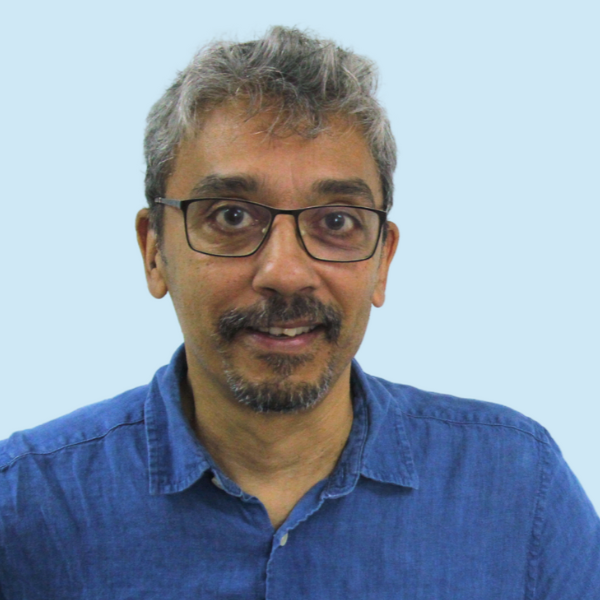
David McCoy currently leads a programme of work on global health governance, power and accountability at United Nations University Global Health. Prior to this he was Professor of Global Public Health and Director of the Centre for Global Health at Queen Mary University London. He trained as a medical doctor and worked as a clinician in both the UK and South Africa before moving to public health. Much of his work as both an academic and practitioner has focused on health systems reform and development, covering issues related to healthcare financing, human resource development and decentralisation policy. He currently works on the intersection between financialisation and universal health coverage.
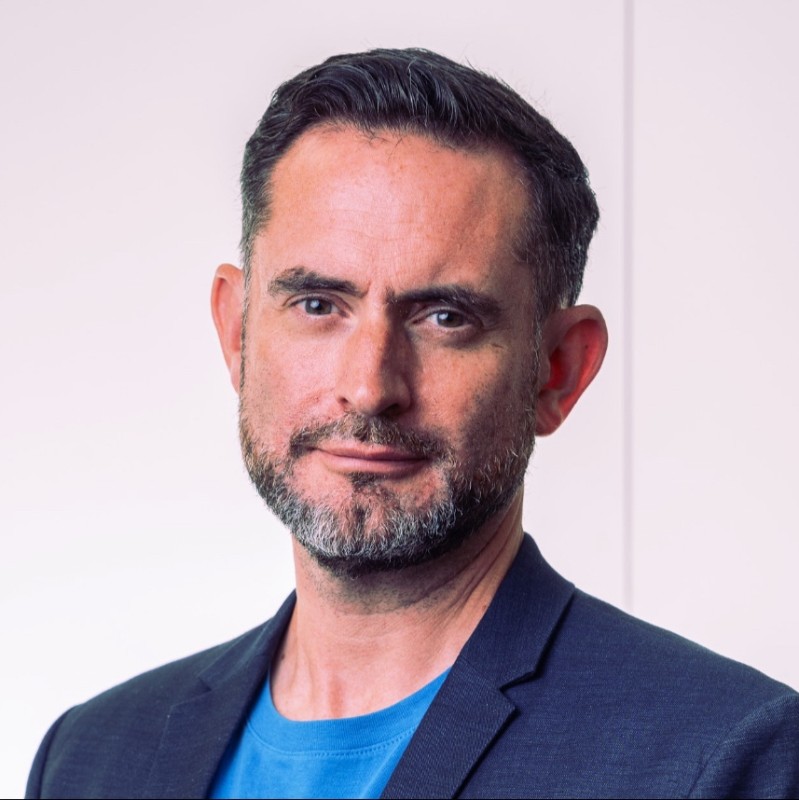
David is the Director of the Centre for Health and the Public Interest an independent research think tank which examines the interface between the public and private healthcare sectors in the UK. He has carried out in depth studies into the use of public private partnerships in the UK, the business models of the UK care home sector and profit extraction from outsourced public healthcare provision. His work has also focused on issues relating to the probity, transparency and quality of private healthcare provision including fraud, conflicts of interest and patient safety. He previously worked as a senior policy maker within health and social care regulation in the UK.
Dena received her PhD in International Law (minor in Anthropology and Sociology) at the Geneva Graduate Institute. Dena is a solicitor (England & Wales, not practicing), has practiced in the City of London, and has worked with the World Health Organization Regional Office of the Western Pacific’s Health Law and Ethics program in Manila, Philippines. Her research focuses on exploring the relationship between finance, health and law in the context of Global Health development and governance.
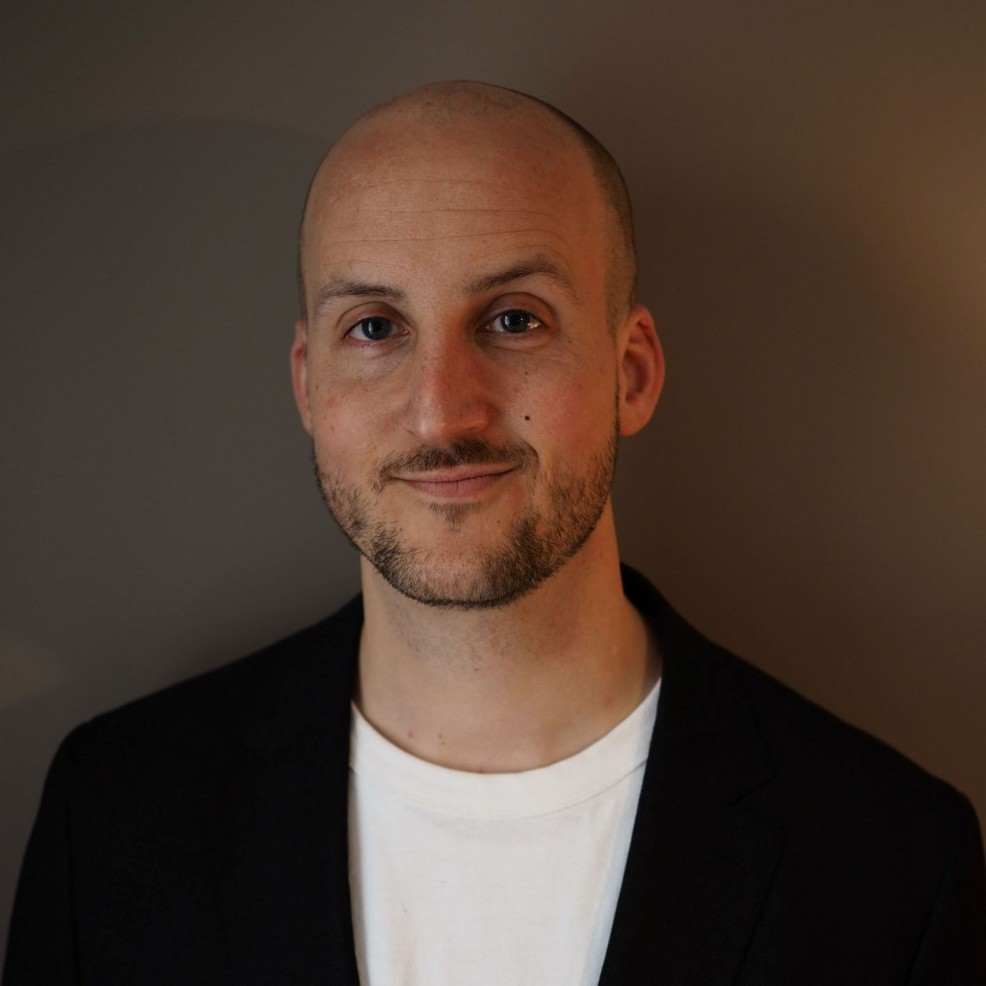
Felix is an economic anthropologist with a special interest in global health governance and development finance. I work the Department of Anthropology at the University of Amsterdam and collaborate with the Centre for Development and the Environment at the University of Oslo. Currently, I lead a research project on the global reparations movement (REPAIR) and contribute to research on Scandinavian vaccine solidarity (SCANVAX). I founded the Open Encyclopedia of Anthropology and its publishing house Open Knowledge Press, and I direct the Amsterdam-based Centre for Reparative Finance (CRF).
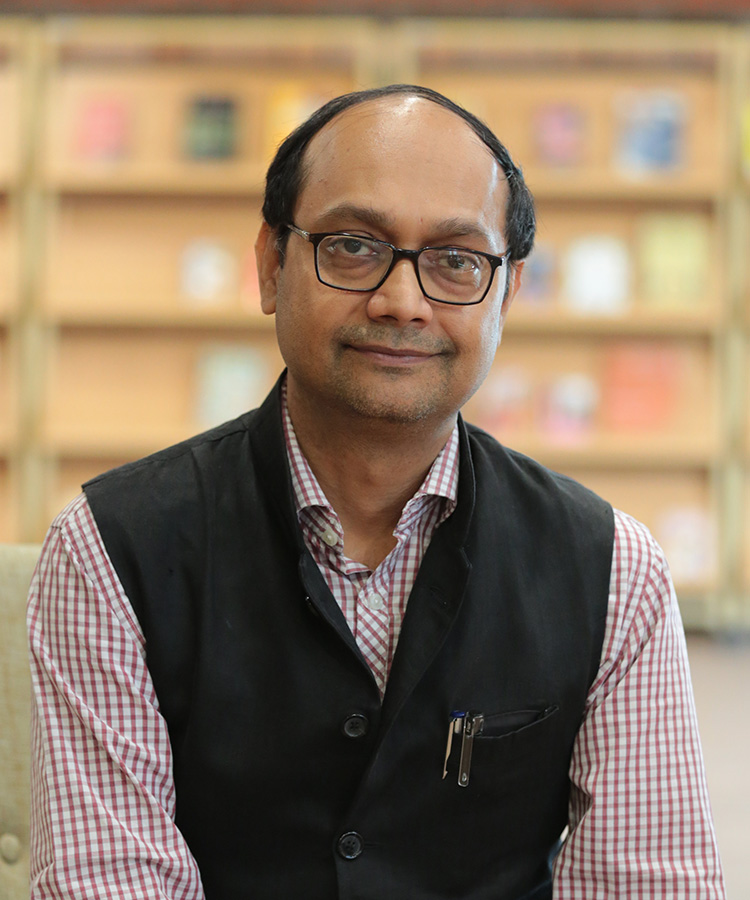
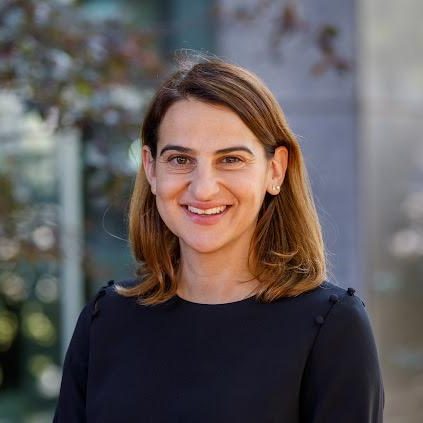
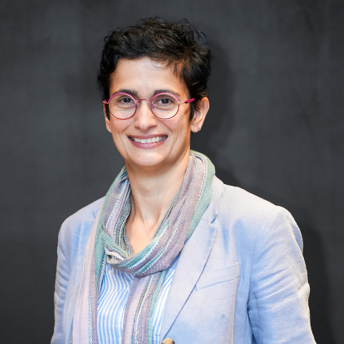
Kalipso Chalkidou, MD, PhD, is the Director of the Department of Health System Performance, Financing and Delivery at WHO HQ. Before joining WHO, she founded and led the Department of Health Finance at the Global Fund to Fight AIDS, Tuberculosis and Malaria. She is a Visiting Professor of Global Health at the School of Public Health, Imperial College London and before moving to Geneva she was Director of Global Health Policy and a Senior Fellow at the Center for Global Development.

Lena is Full Professor of Economics at the Institute of Economics, Federal University of Rio de Janeiro (UFRJ), Brazil. Since 2005, she has been a Senior Researcher at the Brazilian National Research Council (CNPq) and is also a Research Fellow and regular collaborator with several international research centers. She is currently the Principal Investigator of a two-year research project on Public-Private Partnerships (PPPs) in Brazil’s healthcare sector, funded by the Academy of Medical Sciences (UK). Her latest monograph, The Takeover of Social Policy by Financialization: The Brazilian Paradox (Palgrave Macmillan, 2017), has become a key reference in the field.
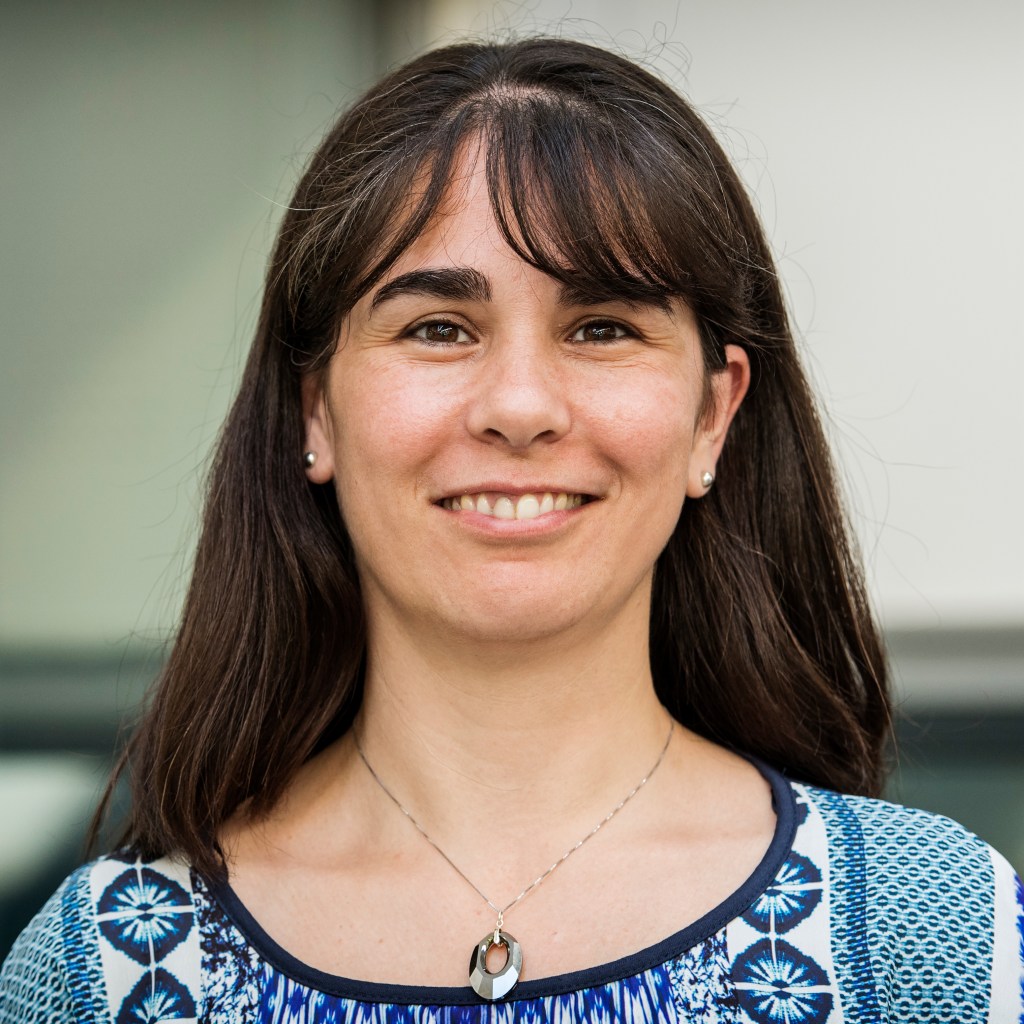
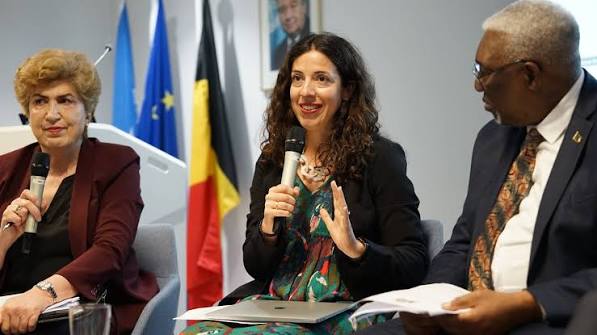
Maria is the Executive Director of the Center for Economic and Social Rights (CESR). Her work has focused on the right to education, public service financing, and tax justice. Before joining CESR, she served as Policy Advisor on Fiscal Justice at ActionAid International and coordinated the Tax and Education Alliance. She has extensive experience managing multi-country programmes and transnational partnerships involving NGOs, social movements, and trade unions, and has led research and advocacy efforts in numerous countries. Maria has also lectured at several universities, including the University of Roehampton and Bielefeld University, and previously worked with the Right to Education Project and Human Rights Watch. She holds a PhD in Education from Bielefeld University, completed through a Marie Curie Fellowship, as well as an MSc in Human Rights from the London School of Economics and an LL.M. in Human Rights from Universidad Carlos III de Madrid.
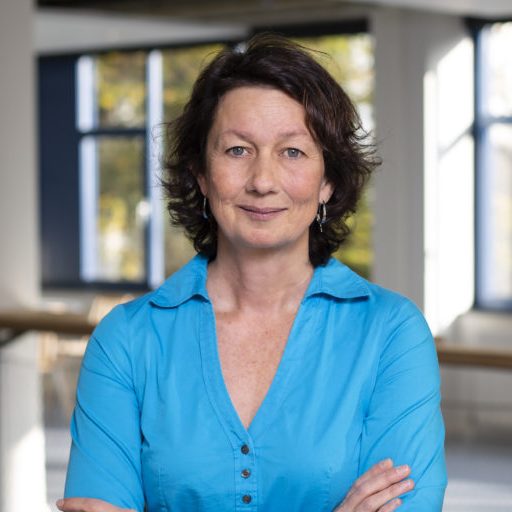
Mariska Meurs has a solid track record in civil society, in the health sector and beyond. Through her broad knowledge and networks in the areas of health, finance, macroeconomics, debt and tax justice, she has built connections and strengthened civil society voice in various global decision-making spaces. Through her work as global health expert on Finance for Health at Wemos, she has gained expertise in what are the desirable features of health finance for Universal Health Coverage, and how these relate to various forms of blended finance, public private partnerships and the growing role of private equity in health.

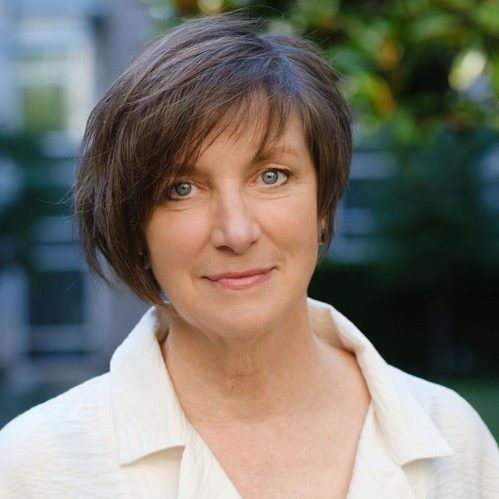
Susan is a Distinguished Professor in the Faculty of Health Sciences at Simon Fraser University in Vancouver, British Columbia Canada, where she studies highly complex political economies that shape human health. Her book, Investable! When Pandemic Risk meets Speculative Finance – A Cautionary Tale (MIT Press, 2025) is about the financialization of global health and capitalist speculation repurposed as save-the-world innovation. Her current research analyzes the increasing datafication and financialization of planetary health management and response, focusing on how global investors use data, modeling, and fintech, including AI, to literally gamble on planetary health risk.
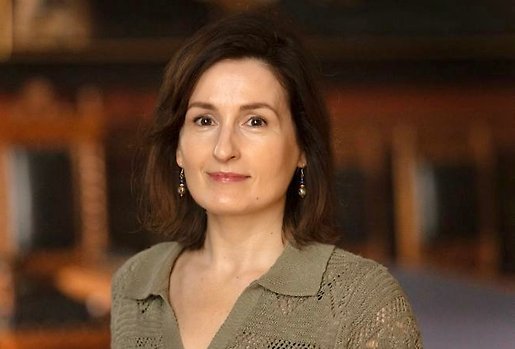
Valbona has worked in various UK universities and is currently Professor at the Department of Economic History, Uppsala University, Sweden. Her research interests include: the global governance of public health; the political economy of innovation in life sciences (esp. biotech); the global patent system and access to medicines issues; intangible assets, incl. knowledge assets; the knowledge economy as a particular socio-politico-economic formation; global political economy; global economic governance (incl. that of trade, intellectual property, and plant genetic resources); the politics of international law; and, late development as &nb sp;state project, with a special focus on India and Brazil.
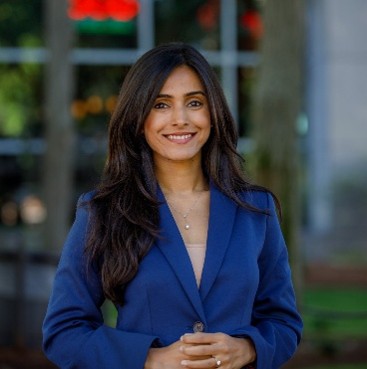
Yashaswini, a healthcare economist, is an Assistant Professor at Brown University specializing in healthcare consolidation and corporatization and the downstream effects on spending, access, quality, and the clinical workforce. Dr. Singh’s research appears in leading peer-reviewed journals and media outlets, and is frequently cited in policy discourse. She has presented findings to the U.S. Congress and the OECD, and has testified before US state legislatures on strategies to address healthcare corporatization. She has received honors and awards from the American Society of Health Economists, the International Health Economics Association, as well as a teaching award from Johns Hopkins University.
Group Secretariat
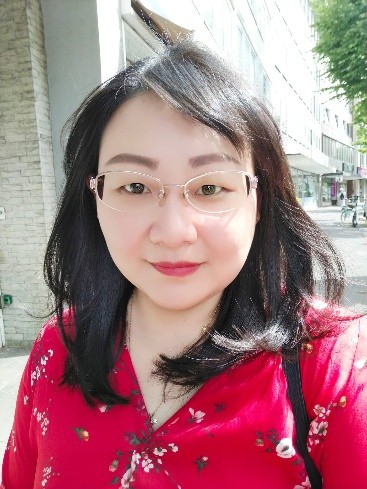
Dian is an Indonesian primary care physician, health policy researcher, and social justice advocate. Her work examines global health governance and the impact of Bretton Woods Institutions’ activities on health systems. Committed to “Health for All,” she advocates for community-based primary care aligned with the Alma Ata Declaration. She is Global Health Governance Advisor for the People’s Health Movement, served on the Geneva Global Health Hub Steering Committee, and is a member of the Global Health Watch Series’ Editorial Committee. Now a Health Policy Researcher at UNU Global Health, she seeks to catalyse equitable shifts that address the deficits undermining the global health system’s responsiveness to Global South populations.
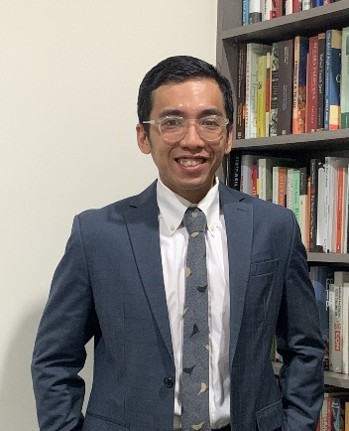
Ronald is a Policy Research Fellow at UNU Global Health who examines power, accountability, and the legal and institutional dimensions of global health governance. His research focuses on international economic law, pharmaceutical policy, technology transfer, investment governance, and public-interest safeguards in health. He holds a PhD in Laws from the Chinese University of Hong Kong, specializing in international technology transfer in the pharmaceutical industry. Prior to his PhD, he had over 15 years of government, diplomatic, and policy experience.
 globalhealthfinance.org